
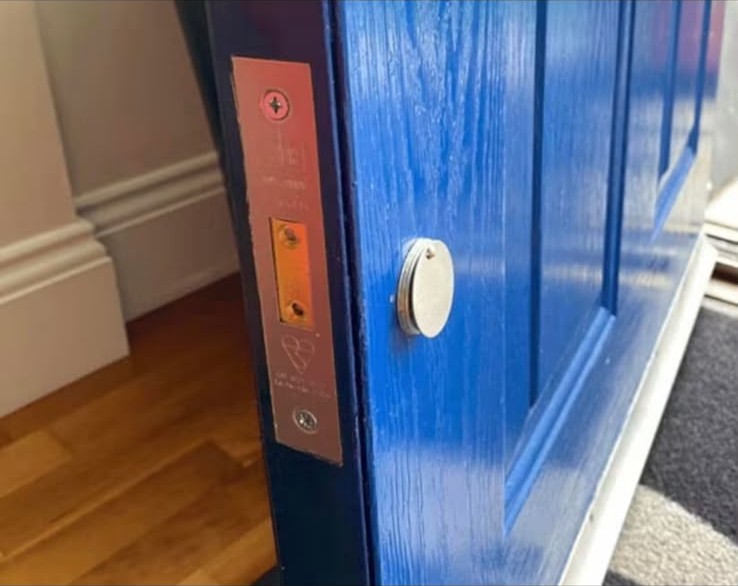
Lock changes & upgrades
Lock Changes In London,Fitted To Current StandardsAnd Warranted For 3 Years.
Stop guessing who still holds a key. A qualified locksmith replaces your locks with hardware that meets current British Standards, tests it on your actual door, and backs both the parts and the labour for three years. From £48, with the price agreed before any work starts.
25 years in London · 3-year warranty on work and locks · City & Guilds qualified
25 years
Serving London
30 mins
Typical response
24/7 · 365
Always available
3 years
Warranty on work & locks
From £48
Priced before we travel
Overview
When a lock change is the right call
A lock change means removing the existing lock and fitting new hardware so that every old key stops working. It is the only reliable way to end uncertainty about who has access — a departed tenant, a builder, an ex-partner, a cleaner, a previous owner, or a set of keys that never came back after a house move.
It is also the fastest way to fix a security gap. Many London doors are still running cylinders with no anti-snap protection, or mortice locks that pre-date the British Standard your insurer expects. Changing the lock upgrades the door to hardware designed against the attack methods actually used today, rather than the ones in use when the door was hung.
Doing it properly is not a case of buying the nearest cylinder from a DIY shed. Cylinder length has to match the door and the handle set to within a couple of millimetres — a cylinder that projects proudly from the escutcheon is the easiest thing in the world to snap. Backset, case size and keep alignment all have to match on mortice work. We measure, fit and test on your door, and we carry the common sizes on the van so most changes are done on the first visit.
Who this is for
- Landlords and letting agents changing locks between tenancies
- New homeowners who have just picked up keys and do not know how many exist
- Households after a lost or stolen key, a break-up or a burglary
- Businesses removing access from former staff or contractors
- Anyone told by an insurer that their door needs British Standard locks
Answered 24/7 · From £48
Leave it and it gets worse
The cost of leaving old locks in place
An unchanged lock after a key goes missing is not a small risk, it is an unlimited one with no expiry date. A key found with a fob, a delivery label or a memorable address gives someone a working front door key indefinitely, and nothing about the door will look wrong until the day it matters.
There is an insurance dimension too. Policies frequently require a British Standard five-lever mortice deadlock or equivalent on final exit doors. If the hardware does not meet the wording and the property is entered without visible force, the claim becomes an argument you are unlikely to win, and the shortfall dwarfs the cost of the lock.
Cheap cylinders create their own escalation. Snapping a non-anti-snap euro cylinder takes seconds and leaves you with a broken lock, a damaged handle set and often a damaged door, on top of whatever was taken. Fitting the correct anti-snap cylinder in the first place is a fraction of that bill and takes under an hour.
Common mistakes
- Buying a cylinder online by guesswork and ending up with one that protrudes and snaps easily
- Changing only the front door and leaving a back door or patio door on the original keys
- Assuming a previous tenant handed back every copy that was ever cut
- Choosing a lock on price alone without checking it satisfies the insurance wording
- Fitting a new lock into a misaligned door, so the mechanism is under strain from day one
Our process
Five steps, priced before we start
01
Survey the door and the existing hardware
We identify the lock type, measure the cylinder or case, check the door material and look at how the door sits in the frame. That five-minute check is what stops a new lock failing early.
02
Recommend and price the options
You get a straight explanation of what the current hardware does not protect against, what the upgrade options cost, and where spending more genuinely buys more security. Prices start at £48 and are agreed before we start.
03
Fit the new locks
New cylinders, night latches or mortice locks are fitted to the correct size and depth, keeps and strike plates adjusted where needed, and fixings replaced rather than reused if they are worn.
04
Test on the closed door, both sides
Every new lock is tested locked and unlocked, from inside and out, with the door shut — the state it will actually live in. Alignment is corrected on the spot rather than left for you to discover.
05
Sign-off, warranty and keys handed over
You get every key that works the lock, a clear price with no surprise additions, and our 3-year warranty on the work and the locks we fitted. All payment types are accepted at the door.
What you get
Concrete outcomes, not adjectives
Old keys stop working today
Every key held by a previous tenant, contractor or occupant becomes useless the moment the change is complete.
Hardware chosen against real attacks
Anti-snap cylinders and British Standard mortice locks are specified against snapping, bumping and drilling — the methods actually used on London doors.
Insurance wording satisfied
Fitting to current British Standards keeps your policy conditions intact instead of leaving a gap discovered at claim time.
Usually done in one visit
Common cylinders, night latches and deadlocks are carried on the van, so most changes are completed on the first attendance.
Fewer locks to live with
Where it suits the property, cylinders can be keyed alike so one key runs the front, back and side doors without weakening security.
Three years of cover
Our 3-year warranty covers both the work and the locks fitted, so a mechanism that fails early is our problem, not your expense.
In detail
Lock types, standards and what to change on which door
Euro cylinders and anti-snap protection
The euro cylinder is the standard on uPVC, composite and aluminium doors, and it is the single most attacked component on modern London doors. Snapping exploits a designed weak point in the cylinder body; an anti-snap cylinder sacrifices a front section and leaves the working cam intact and unreachable.
Sizing matters as much as specification. Cylinders are sized in two halves measured from the central cam, and the correct length sits flush with the handle escutcheon. Anything protruding more than a few millimetres gives an attacker something to grip, which is why a correctly measured standard-quality cylinder often outperforms an expensive one fitted badly.
Mortice deadlocks and night latches on timber doors
Timber doors typically carry a mortice deadlock, a night latch, or both. A five-lever British Standard mortice deadlock is the hardware most insurers reference for final exit doors, offering hardened plates against drilling, anti-pick levers and a longer bolt throw into a reinforced keep.
Night latches vary enormously. A basic rim latch simply holds the door closed; a British Standard night latch adds deadlocking of the latch bolt, so it cannot be slipped with a card or a shim. Pairing a BS night latch with a BS deadlock is the conventional, insurance-friendly setup on a London timber front door.
Keyed alike suites, restricted keys and master keying
Keyed alike means several cylinders operate from one key — practical when a property has a front door, a back door and a side gate, and far safer than the alternative of propping a door because the right key is never to hand. It changes nothing about the strength of each lock.
Restricted key systems go further: blanks are controlled, so copies cannot be cut at a market stall or a supermarket kiosk. For HMOs, offices and managed blocks, master keying lets a manager hold one key that opens communal areas while each occupant's key opens only their own door.
Residential versus commercial lock changes
Domestic changes usually cover a front door, a back door and sometimes a patio or French door set, with the priority on insurance-compliant hardware and a sensible number of keys. Between tenancies, a same-day change with a fixed key count is what keeps a handover clean and documented.
Commercial changes involve more hardware and more rules. Fire escape routes must stay openable from the inside without a key, which means panic bars and thumbturn arrangements rather than double-cylinder deadlocks. Shopfronts, roller shutters, communal entrances and cleaners' access all need to be thought about together — this is the work we do routinely for letting agents and property maintenance companies across London.
Questions
Lock changes & upgrades in London — your questions answered
How much does it cost to change a lock in London?
Prices start at £48 and the final cost depends on the lock type and the hardware you choose. We quote before starting, and all payment types are accepted.
How long does a lock change take?
A euro cylinder swap is usually well under an hour. A mortice deadlock fitted into a timber door takes longer, particularly if the door has never had one. Most jobs are finished on the first visit because we carry common sizes on the van.
Do I need to change the whole lock or just the cylinder?
On uPVC and composite doors, changing the cylinder is usually enough — it kills every old key without touching the mechanism. Timber doors with mortice locks generally need the lock case itself replaced. We tell you which applies to your door before quoting.
Will new locks meet my insurance requirements?
They will if that is what you need. Tell us the wording your insurer uses and we will fit hardware that meets it — commonly a British Standard five-lever mortice deadlock or a BS night latch on final exit doors.
Can I have all my doors on one key?
Yes. Cylinders can be keyed alike so a single key runs the front, back and side doors. It is a convenience change, not a security compromise, provided the cylinders themselves are properly specified.
How long will new locks last?
A quality cylinder or British Standard deadlock on a well-aligned door will typically give many years of service. Most early failures come from door misalignment rather than the lock, which is why we adjust the door and keep as part of the job. Our warranty runs for 3 years on both the work and the locks fitted.
Can you change locks the same day, or out of hours?
Yes. We operate 24 hours a day, 365 days a year with a typical 30-minute response across London, so an urgent change after a lost key or a tenancy issue does not have to wait until morning.
Do you change locks for landlords and letting agents?
Constantly. We are the only locksmith company in London contracted to major letting agents and property maintenance companies, and tenancy-change lock work with a defined key count is one of the things we do most.
How many keys do I get?
You get the keys supplied with the lock as standard, and we can cut additional copies to the number you need before we leave — useful when a household or a shop team all need their own.
Related services
Areas we cover
Based in E16 4RF, London, covering London. Back to the homepage or request an estimate.
Know exactly who can open your door
New locks fitted to current British Standards, tested on your closed door, and covered for three years. From £48, with the price agreed before we start and every old key dead the moment we finish.
- City & Guilds qualified
- DBS-checked locksmiths
- 3-year warranty